
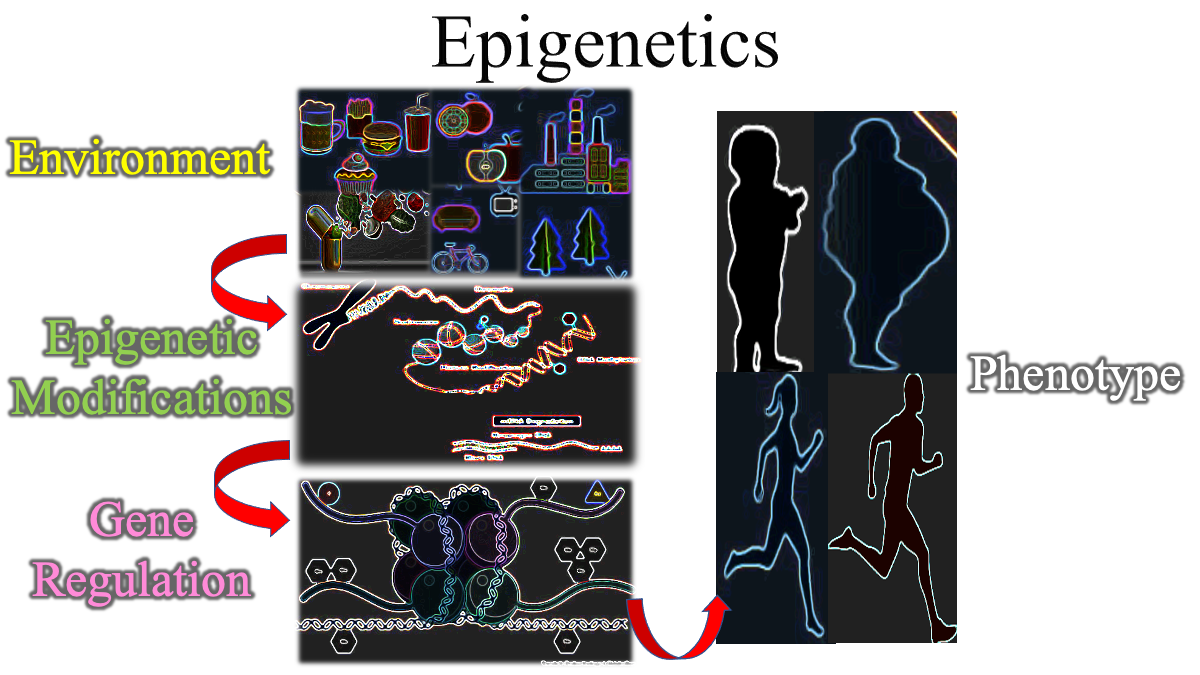
Epigenetics is an emerging area of scientific research that shows how environmental influences changes in organisms caused by modification of gene expression rather than alteration of the genetic code itself. In biology, epigenetics is the study of stable phenotypic changes that do not involve alterations in the DNA sequence. Epigenetics mostly involves changes that affect gene activity and expression. It is mostly the study of mechanisms that alter gene expression without changing DNA sequence. These mechanisms are heritable and reversible. Over the last few decades, epigenetics has gained much significance in cancer research. Epigenetic modifications are widely described as essential players in cancer progression. They comprise DNA methylation, histone modifications, nucleosome positioning, and small, noncoding RNAs (miRNA, siRNA). They are involved in transcriptional changes and decisive events that will determine cell fate and phenotype. Typical epigenetic signatures include alterations in DNA methylation that usually silence genes by blocking transcription factor binding site, histone modifications that change chromatin structure and the availability of genes for transcription, and expression of microRNA antisense transcripts that target and mark mRNA transcripts for destruction. Epigenetics not only throws light into cancer biological processes, but also represents an attractive opportunity of reverting cancer-specific alterations, which may lead, in the future, to a possibility of stopping this disease.
December 28, 2025