
The intricate relationship between circadian rhythms and intestinal microflora has gained significant attention in recent years. Circadian rhythms, regulated by an internal clock, orchestrate various physiological processes, including sleep-wake cycles, hormone secretion, and metabolism. Emerging evidence suggests that these rhythms also influence the composition and function of gut microbiota. The gut microbiome, in turn, produces metabolites that modulate host circadian clocks, creating a bidirectional feedback loop. Disruptions to this delicate balance, often caused by modern lifestyle factors like irregular sleep patterns, jet lag, and artificial light exposure, can lead to circadian rhythm disorders and gut dysbiosis. This dysregulation has been linked to various diseases, including metabolic syndrome, inflammatory bowel disease, and neurodegenerative disorders. Key microbial metabolites, such as short-chain fatty acids (SCFAs) and bile acids play a crucial role in modulating host circadian rhythms. SCFAs, produced by bacterial fermentation, can entrain peripheral clocks and influence gene expression. Conversely, host circadian clocks regulate gut motility, immune function, and secretion of antimicrobial peptides, shaping the gut microbiome. Understanding the complex interplay between circadian rhythms and intestinal microflora offers promising therapeutic avenues for managing circadian-related disorders. Chronotherapeutic strategies, such as time-restricted eating and targeted probiotics, may help restore rhythmic harmony and promote overall well-being.
December 25, 2025
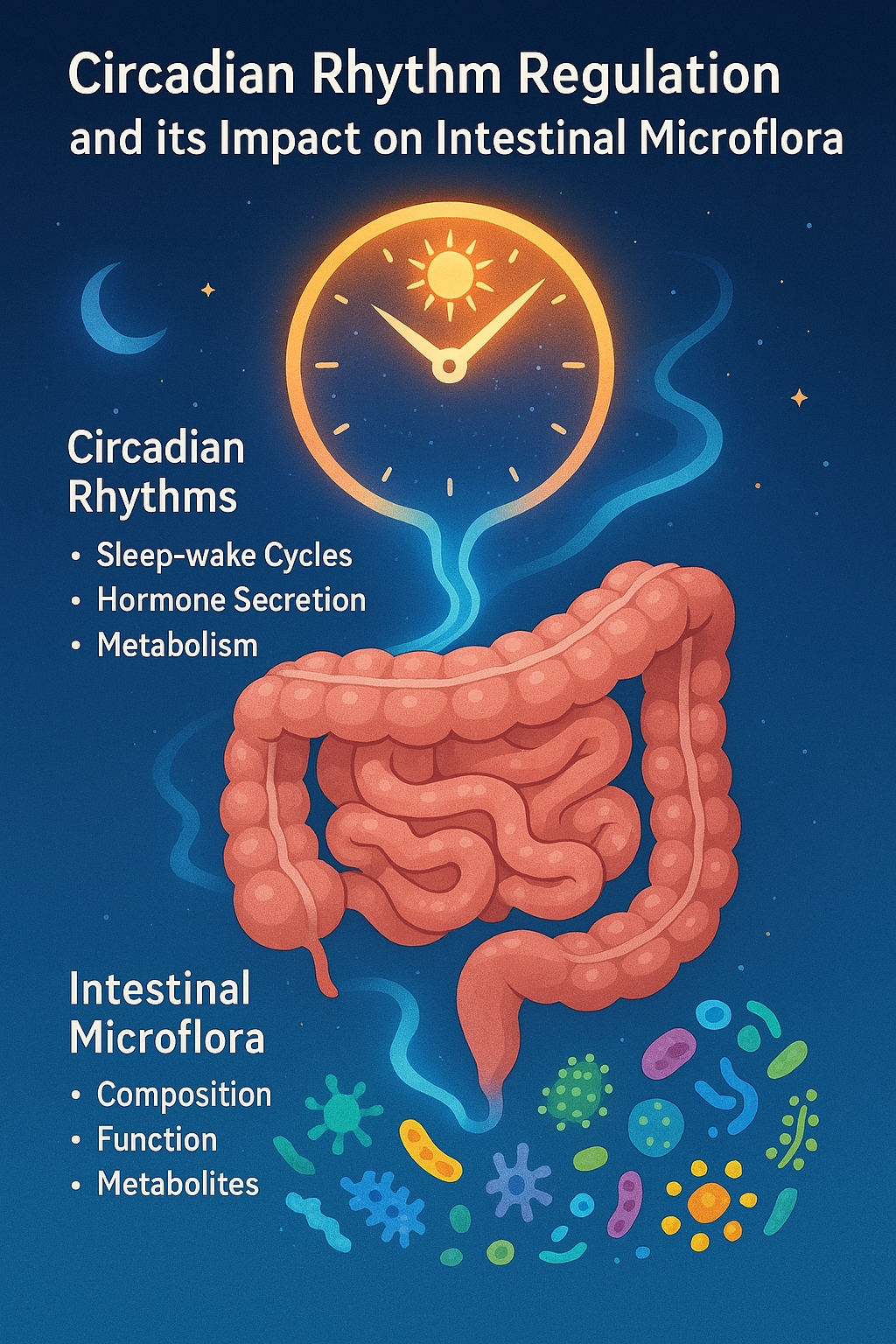
Circadian Rhythm Regulation and its Impact on Intestinal Microflora
Authors List :
Syed Burhan Uddin, Humera Quadriya, Fehmida Begum, Shagufta Tarannum, Majid Mohiuddin
Presenting Author :
SYED BURHAN UDDIN
Affiliations :
Anwarul Uloom College
Email :
smuzzu7860@gmail.com
Key Words (5 Words Maximum) :
Intestinal microflora, Internal Clock, Physiological Processes, Short chain fatty acids