
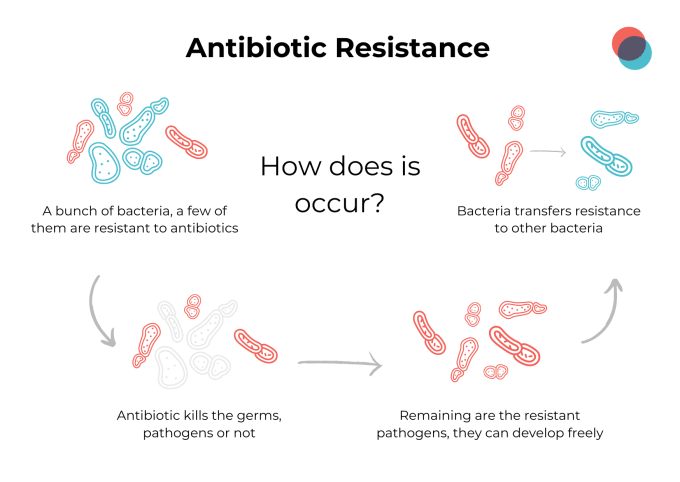
Antibiotic resistance is a serious global health problem that reduces the effectiveness of antibiotics in treating bacterial infections. Tackling this issue requires combined efforts from healthcare systems, researchers, and the public. One of the most important strategies is the responsible use of antibiotics through antimicrobial stewardship programs that promote correct prescribing, proper dosage, and completion of treatment courses. Strengthening infection prevention measures, including hygiene practices, vaccination, and hospital infection control, can reduce the need for antibiotics. Rapid diagnostic tests are also important, as they help doctors choose targeted treatments instead of using broad-spectrum antibiotics. Controlling the use of antibiotics in agriculture and animal farming is necessary to limit the spread of resistant bacteria. In addition, ongoing research into new antibiotics and alternative treatments such as bacteriophage therapy and combination drug therapies shows promise. Public awareness and education play a key role in preventing misuse and self-medication. A coordinated and sustainable approach is essential to effectively control antibiotic resistance and protect public health.
December 28, 2025