
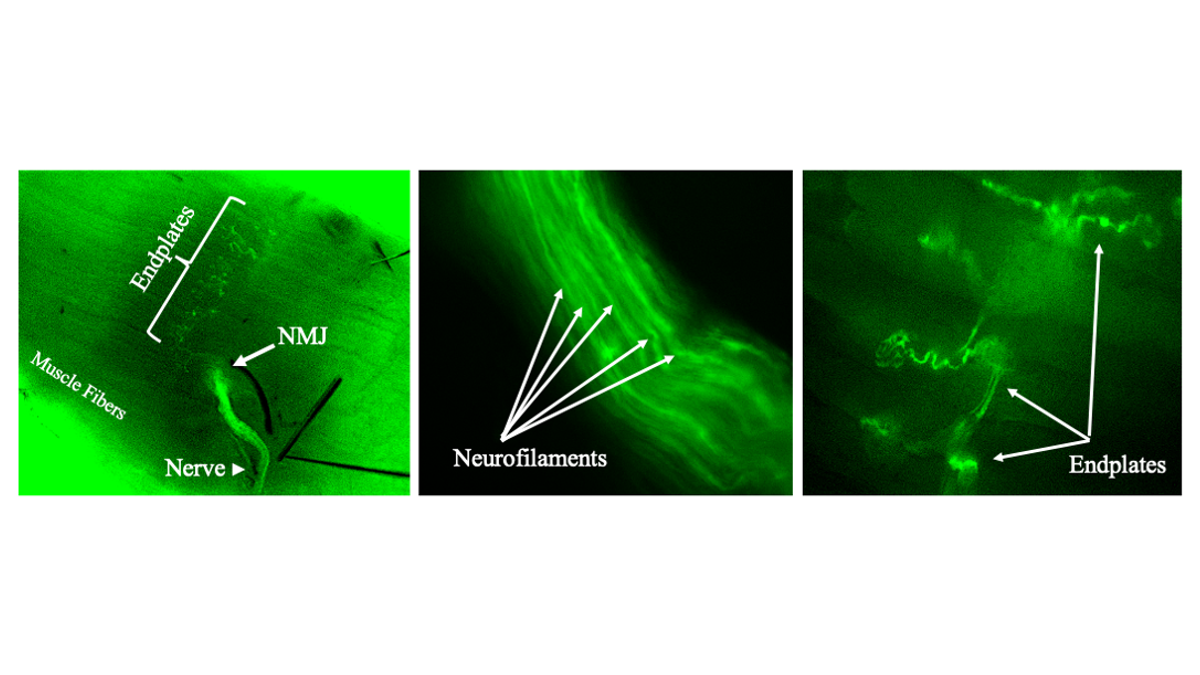
“Seeing is believing” is a philosophical quote originating, coincidentally and independently, from both Western and Eastern cultures. No scholars have taken full advantage of this philosophy in their daily scientific endeavors more than microscopists have. Four hundred years ago, people used to believe that the lives of fruit flies derives from the chemical reactions of rotting banana skins. One could have shown, under the ‘microscopes’, the tiny ‘eggs’ laid on the surface of the fruit, hatching and giving life to the larvae, persuading the most stubborn of disbelievers.
The history of microscopes of the modern era is rooted in the 17th century when Robert Hooke and Antonie van Leeuwenhoek contributed, by using their own equipment, to the initial discoveries in cell biology and microbiology, like the episode stated above. The power of ‘seeing’ is so potent that scientists kept pushing the limits of microscopes further and further to achieve new discoveries. In this talk, I will briefly introduce the history of optical microscopes, their advantages, their limits, how our predecessors have overcome each technical difficulty, and what scientific accomplishments they were able to achieve by doing so, etc. In the second half, I will address the research in muscle diseases using microscopes, particularly focusing on the mysterious genetic disease, termed, ‘muscular dystrophy’. Finally, and hopefully, I will address the future of microscopes, and discuss what young scholars-to-be will have to study in the next decades, and are expected to achieve, etc.
December 28, 2025