
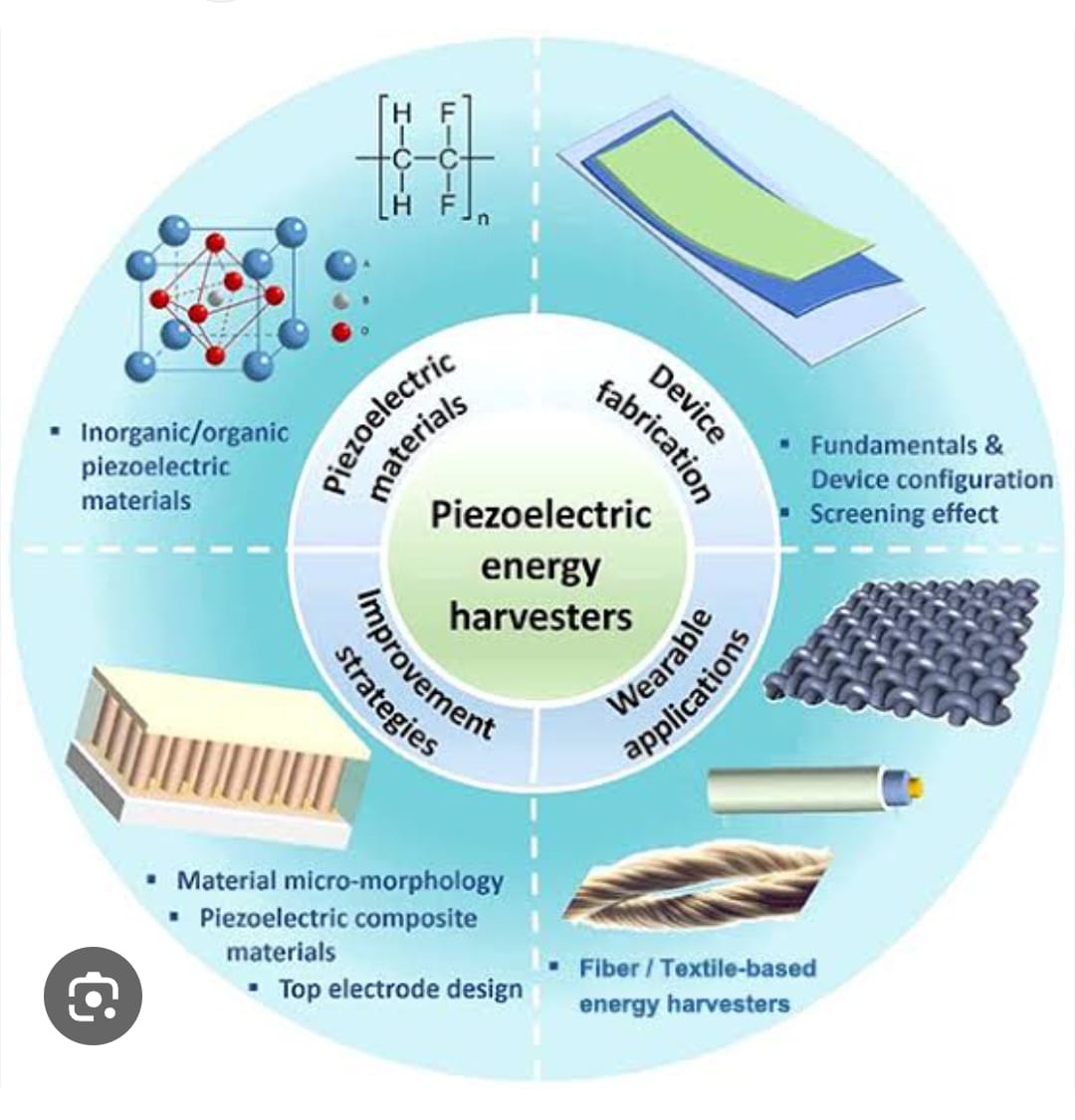
Rapid urbanization has led to two major challenges in modern cities: increasing noise pollution and rising energy demand. Conventional renewable energy sources such as solar power are limited by weather conditions and time of day, resulting in inconsistent energy generation. At the same time, large amounts of mechanical energy produced by urban noise, traffic vibrations, and raindrop impacts remain unused. The SONO-VOLT project proposes an innovative system that converts sound waves and rain-induced vibrations into electrical energy using piezoelectric technology. Honeycomb-shaped acoustic panels installed along highways, flyovers, metro tracks, and buildings capture noise and vibrations. These vibrations are converted into electrical energy by piezoelectric transducers and stored in energy storage units such as supercapacitors or batteries. The generated electricity can be used to power streetlights and small urban infrastructure. In addition to energy generation, the system also helps reduce noise pollution by absorbing sound, thereby contributing to a quieter and more sustainable urban environment. SONO-VOLT demonstrates that urban noise and rain, usually considered as disturbances, can be transformed into valuable renewable energy resources.
Piezoelectric technology, mechanical energy, acoustic panels